
The Protecteur Cactus© and animal welfare: One Health!
« An animal's welfare is the positive mental and physical state linked to the satisfaction of its physiological and behavioural needs, as well as its expectations. This state varies according to the animal's perception of the situation. »
— ANSES (French Agency for Food, Environmental and Occupational Health & Safety) opinion, February 2018
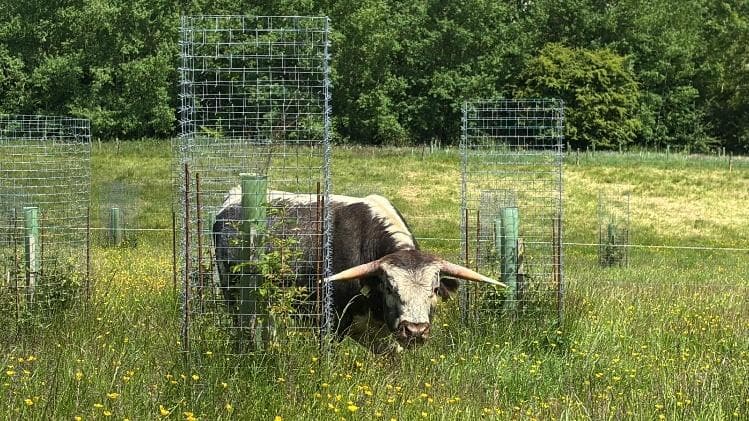
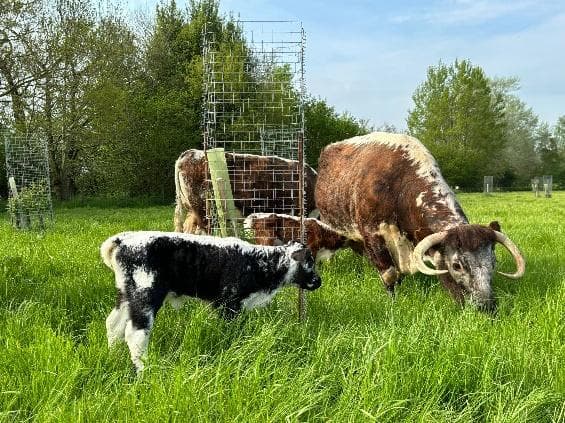
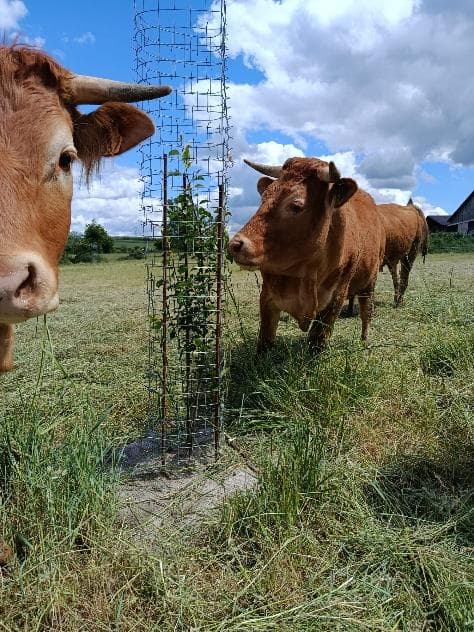
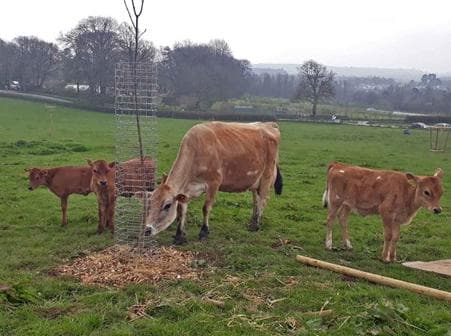
Spain, Portugal, the United Kingdom, California, New Zealand, the Benelux, France, Germany: animals have adopted the Protecteur Cactus© for their everyday welfare. Here is what we have observed in the field since 2016, with photos and videos to back it up. We start this short overview with soil life, then the herds, then wildlife.
1. Water cycle regulation and soil life
Effects measured over 2 to 200 years.
The protected tree works for the field
- Infiltration and groundwater recharge — The tree saved by the Protecteur Cactus© develops a deep root system that loosens compacted soil. This supports soil life and rainwater infiltration, limits run-off and feeds the soil water reserve — very useful in times of drought.
- Moisture retention and pasture quality — Through its shade and evapotranspiration, the tree protected by the Protecteur Cactus© creates a moist microclimate under its crown. Grass stays green longer in summer, giving livestock water and fresh forage during periods of water stress. Tree cover protects and shelters biodiversity below ground, at ground level and in the air.
- Protection against trampling and run-off — By intercepting raindrops and stabilising the soil, the tree protected by the Protecteur Cactus© defends the field against erosion and standing mud, keeping livestock feet and hooves healthy.
2. Herd comfort, health and safety: “One Welfare”
Deterrence through biomimicry rather than contact
We observe that most animals approach the Protecteur Cactus© without touching it. The animal steps back of its own accord, just from seeing it.
Scratching and rubbing bring animals real well-being
Some breeds like to scratch gently, without pressing, against the Protecteur Cactus©. One of our customers filmed a Highland bull scratching at length against a protector, without hurting itself or damaging the tree or the Protecteur Cactus©. This behaviour is seen in thick-coated breeds; it is not an intended use of the product, but it shows the animal knows how to make the most of it for a gentle scratch.
Shade and comfortable shelter contribute to animal health
The role of the Protecteur Cactus© is to protect the tree from damage by ungulates. What for? Because a tree provides not only shade in summer, which reduces heat stress, but also a windbreak in winter.
We are farmers, livestock breeders and a vet: we have observed that animals in the shade of trees thrive, gain more weight, give more milk, have better fertility rates and are calmer. Grass grows better and forage is more abundant: you save on feed.
A single shaded area can create a risk of mastitis, as the animals always lie down in the same spot. Several shaded areas let them vary where they lie, limiting this health risk.
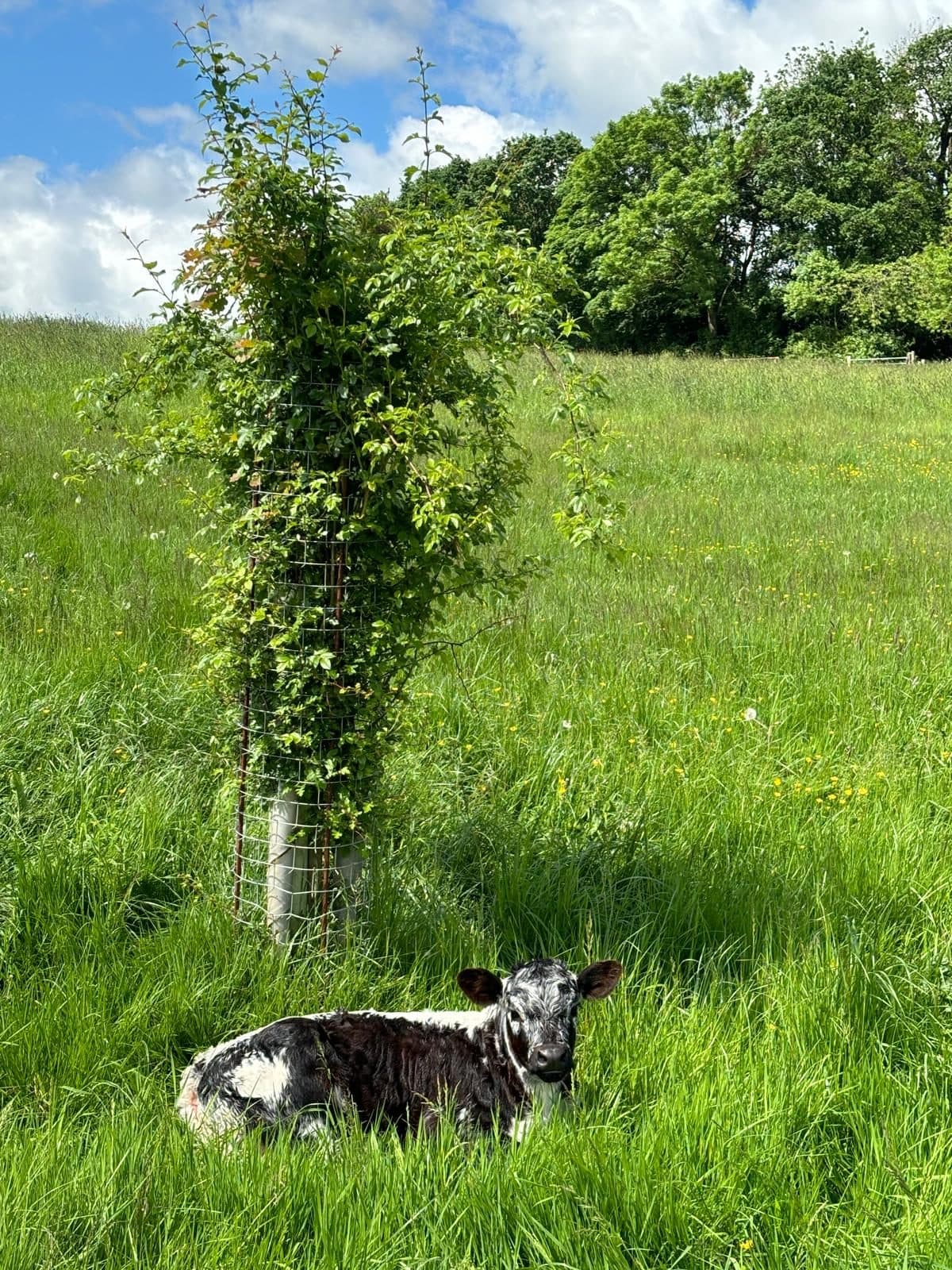
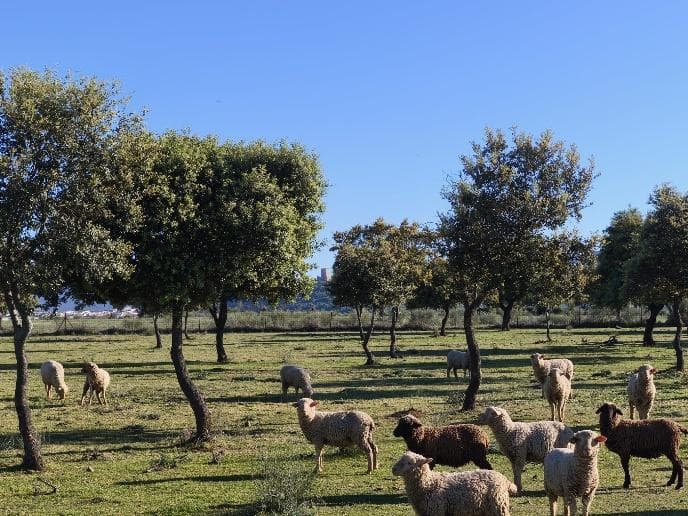
Nothing to swallow in the pasture
The Protecteur Cactus© is made of galvanised steel, with no plastic, and its welds are deep: no fragments break down in the grass, nothing livestock could ingest. Lifespan of the Protecteur Cactus©: several decades.
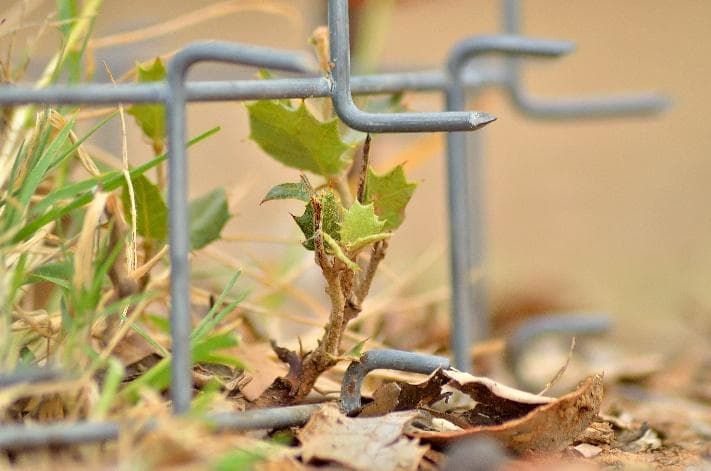
Insect-eaters around the herd: biological control of parasites and insects
The Protecteur Cactus© actively helps create an ecosystem that favours insect-eating birds and bats, which also feed on the flies, midges, mosquitoes, ticks and other insects that hover around the animals.
The farmer's mental health
Healthy animals and decent working conditions improve the psychosocial well-being of farmers!
3. A perch and a shelter adopted by wildlife
A perch in the middle of the field
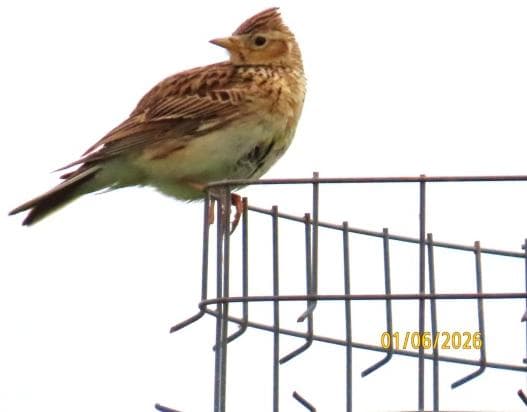
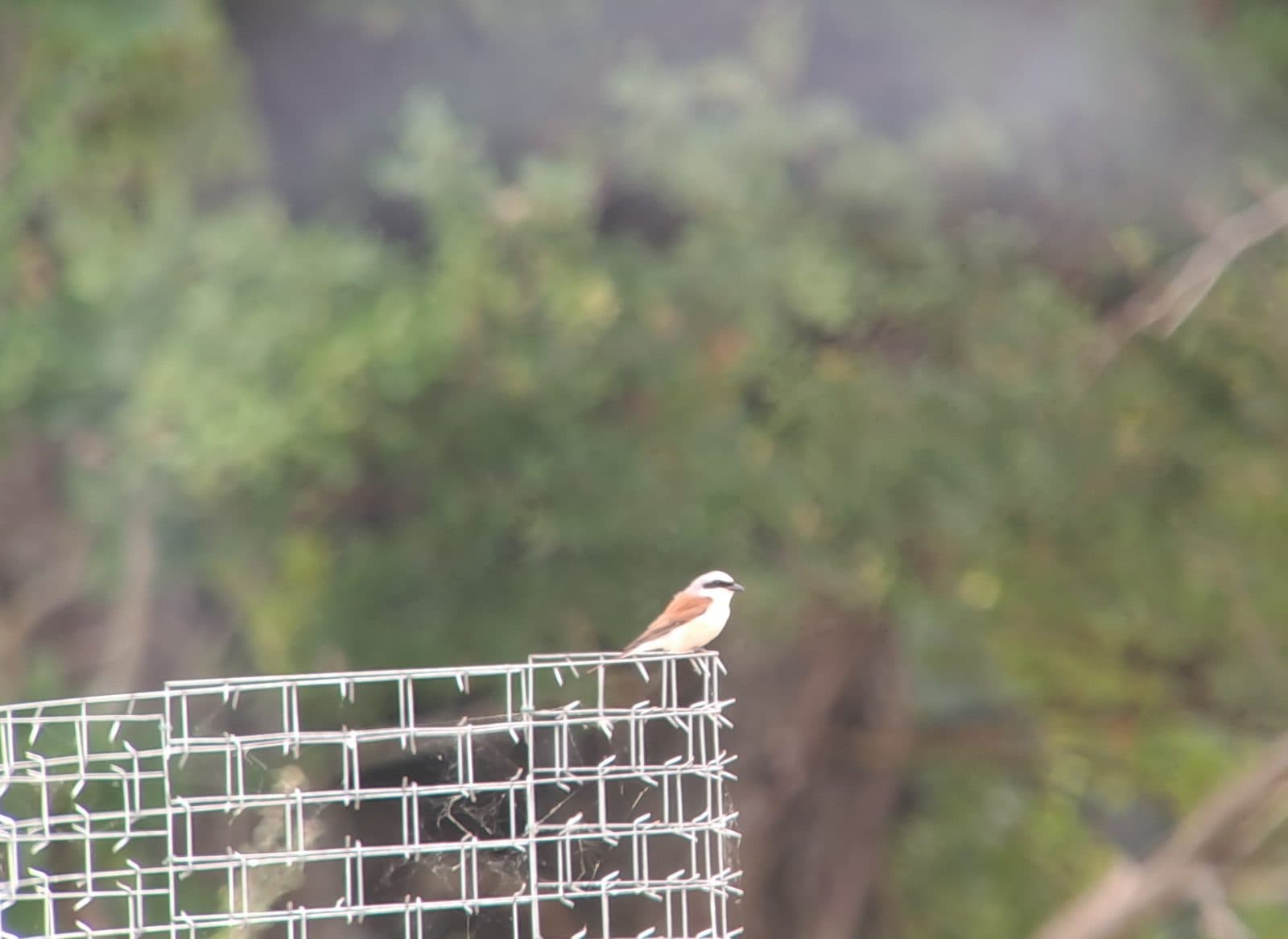
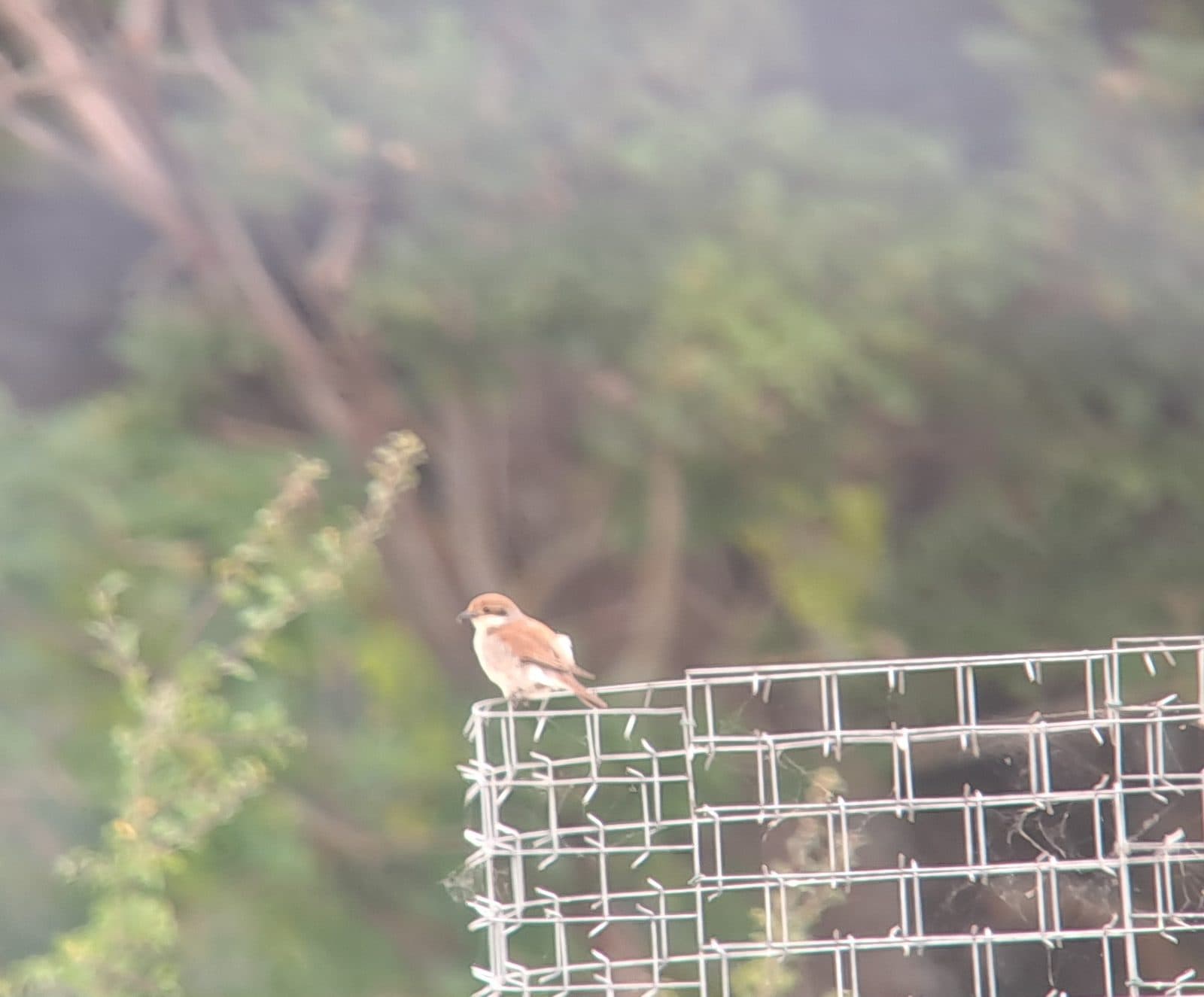
Rigid and tall, the protector serves as a lookout post for open-country birds. A pair of shrikes adopted one; a skylark sings on another in the middle of the cattle.
Birds of prey also perch there to hunt small rodents
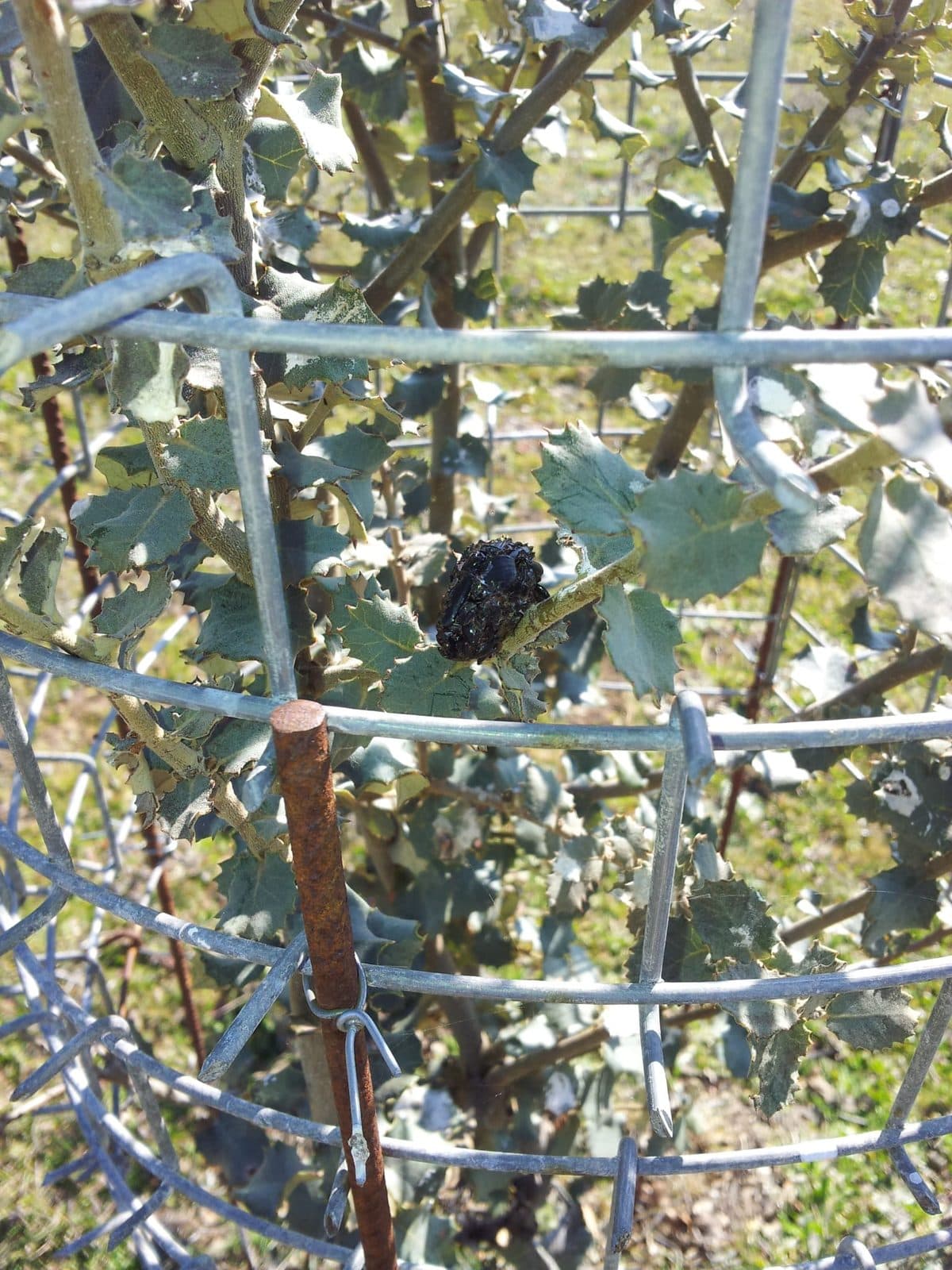
Here is a raptor pellet found inside a protector during one of our pasture rounds. It is a sign that birds of prey, which hunt the rodents in the field, perch there. In this case it was a nocturnal raptor: the pellet appeared between our evening round and our morning round.
A shelter for nests
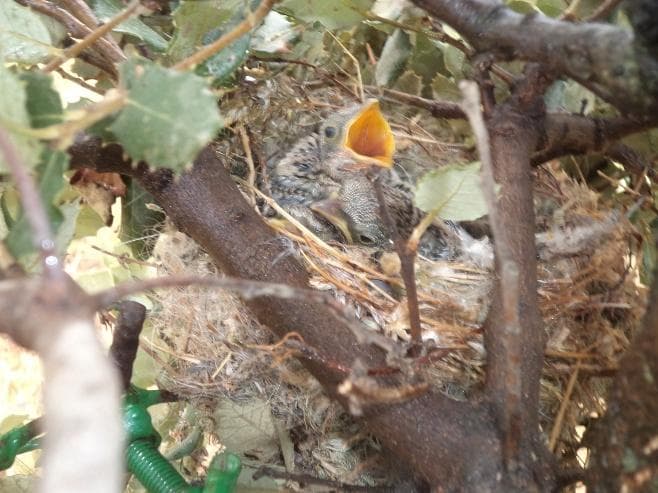
Songbirds nest under the protection of the Protecteur Cactus©, in the branches of the protected tree. The Protecteur Cactus© keeps predators at bay, whether from the ground, such as cats or martens, or from the sky, such as magpies and crows.
4. WOAH recommendations
The Five Freedoms of the animal were first published in 1979 by the Farm Animal Welfare Council, the British council on farm animal welfare. They have since been recognised worldwide, having been incorporated into the codes of the WOAH (World Organisation for Animal Health, formerly OIE).
| The Five Freedoms (WOAH codes) | Does the Protecteur Cactus© support this freedom? |
|---|---|
| Freedom from hunger, thirst and malnutritionThe animal must have access to water and to food in appropriate quantity, matching the needs of its species and its physiological status. | Yes: positive effects on the water cycle, additional forage and tree fruits. |
| Freedom from fear and distressHusbandry conditions must not cause it mental suffering. | Not applicable to the Protecteur Cactus©. |
| Freedom from physical and thermal discomfortThe animal must enjoy a degree of physical comfort. | Yes: direct effect on thermoregulation, more shaded resting areas. |
| Freedom from pain, injury and diseaseThe animal must not suffer ill-treatment that could hurt or injure it, and must be cared for when ill. | Yes: shelter for beneficial biodiversity that helps control parasites. |
| Freedom to express normal behaviourIts environment must suit its species (it should live in a group if it is a social species, for example). | Yes: the Highland bull enjoys a gentle scratch on the Protecteur Cactus©, and animals seek out shaded areas in hot weather. |
5. Conclusion and our recommended use
In light of how it upholds the Five Freedoms, and of its remarkable effects on “the positive mental and physical state linked to the satisfaction of its physiological and behavioural needs, as well as its expectations”, the Protecteur Cactus© is the best tool for protecting valuable trees and blurring the boundaries between the health of livestock, wildlife, trees, soil, air and our own — so we can think about our whole ecosystem in harmony. One Health!
The Protecteur Cactus© is designed to protect trees in fields grazed by cattle, sheep, goats, pigs and even donkeys, as well as against wildlife: ungulates (roe deer, red deer, wild boar, fallow deer, mouflon, chamois) and beavers. The more the Protecteur Cactus© is used, the more animal welfare and the health of our ecosystem will improve.
The principle is nothing new: our ancestors already “armed” their trees with thorns.